BEAM Plus Digest

Executive Interview
A New Era of Green Building: People-Centred Driving Innovation

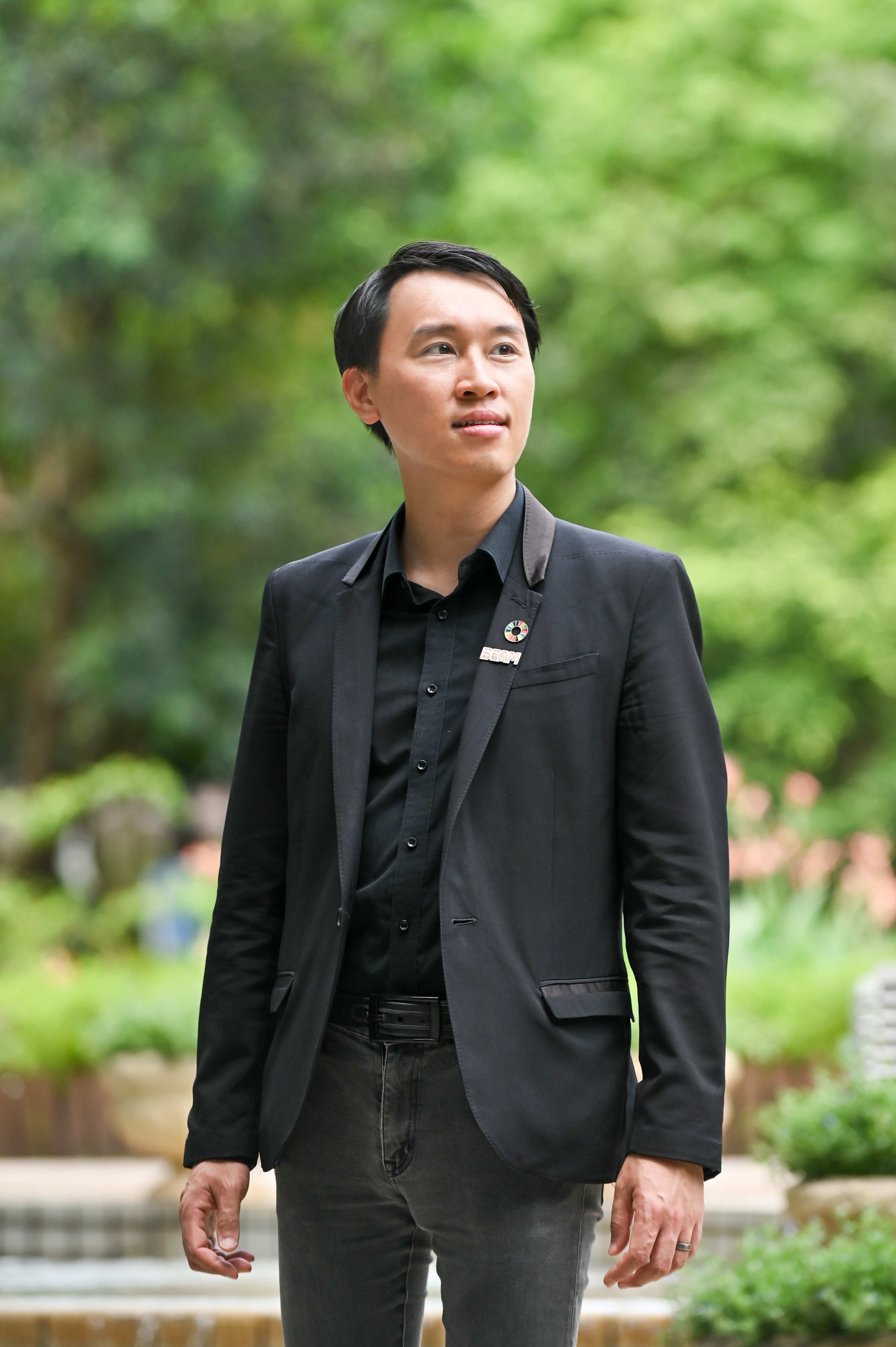
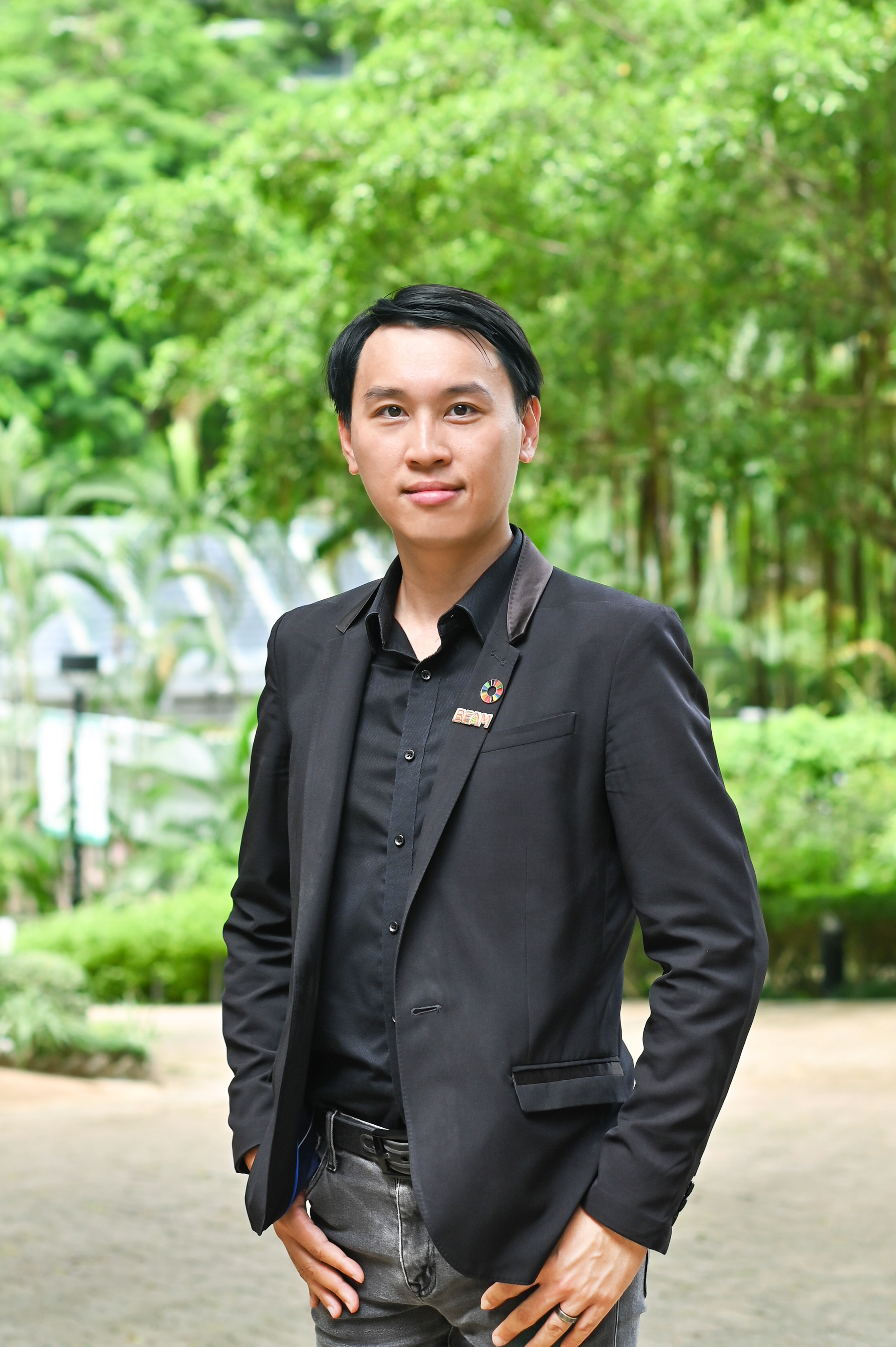
Ar Dr Adrian LO Yee Cheung is one of Hong Kong’s most representative architects of his generation, as well as a pioneer and advocate in the promotion of low-carbon architecture. Not only does he remain committed to a people-oriented approach in his design projects, but he has also devoted considerable time and energy in recent years to participating in numerous organisations and initiatives dedicated to promoting and developing sustainable architecture.


During more than a decade in the architectural profession, Adrian has been honoured with over 65 international and regional design awards. But he will never stop there, because his sense of mission to give back to society drives him to keep going. "People-oriented" may sound abstract, but in essence, it means making residents and citizens live healthier, more comfortable and happier lives in buildings.


Doing Architecture Well and Good Architecture All Requires Vision


Adrian’s abilities require no elaborate praise; the numerous international awards he has received speak for themselves. What defines a good architectural project? At its core, his design philosophy is "people-oriented".

He recalls that when he studied architecture at university, the first thing his professor told the class was: “Architecture is created for people.”  Although “people-oriented” may sound abstract, it ultimately means enabling people to feel healthier, more comfortable and happier within the built environment. The fundamental philosophy of green architecture is in fact fully aligned with this principle. For example, the CIC-Zero Carbon Park in Kowloon Bay and Hysan Place in Causeway Bay both allow users to experience comfort within the space. These two buildings are not only energy-saving landmarks, but also public spaces rich in human warmth. Green architecture is not about building for the sake of environmental protection; it is about building for people.

However, having a philosophy alone is not enough. Today’s architects must also possess cross-disciplinary outlook and the ability to consider multiple perspectives. In his own studies, for example, Adrian explored subjects such as landscape and environmental ecology alongside architecture. After entering the profession, he also completed a doctoral degree of Business Administration in Leadership and Innovation.

"It's far from enough to just look at architecture from an architectural perspective. As green architects, we need to think and create from different angles. To create good architecture, we need to consider strategic direction, international perspectives and resource management, all of which require a higher level of thinking. We need to understand how the world works by looking beyond the framework of a single building, and then consider the role architecture plays in the world and how we can apply our professional expertise."

Architecture is indeed an extremely complex and multifaceted discipline, and environmental protection is a crucial part of it. The importance of sustainability is widely recognised. Green building is simply one pathway and direction, because ultimately this is not only about protecting the environment, but about safeguarding our future.


As architects, our vision should not be limited to architecture itself. Architecture is just the foundation; to transcend it, we must see more, read more, do more, travel more, and think more.

The Value of Awards: Driving Innovation Through Case Studies


Adrian has consistently utilised architectural design as a physical medium to introduce new building materials and solutions, thereby driving the upgrading of the local green technology industry chain. In various projects, he has actively collaborated with local research institutions and universities to transform research and development outcomes into practical building components, thereby fostering the local green economy and research ecosystem, and establishing a closed-loop innovation cycle encompassing government, industry, academia, research and investment. Even more encouraging is the fact that many projects utilising these new technological solutions have, upon completion, garnered international industry recognition and prestigious awards.

Among his many honours, the most meaningful include the “Green GOOD DESIGN Sustainability Award” and the “Young Innovator Prize (CIC Construction Innovation Award)”. These awards demonstrate to the industry that Hong Kong’s green buildings are not only improving the local construction environment, but are also serving as real-world testing grounds for local frontier green technologies and locally developed circular materials.


"When new technologies or solutions are successfully applied, they can serve as demonstration models for subsequent research and development. Entering successful projects in international competitions not only allows new technologies to be disseminated but also encourages more people to engage in innovation and environmental protection. The official documentation of these competition entries is itself a way to promote technology, and this information may inspire other architects or projects in the future."

Winning an award adds even greater value, as it represents professional recognition. These awards not only recognise the team’s innovative breakthroughs in engineering technology and materials application, but also directly drive the upgrading of Hong Kong’s local green technology industry chain, transforming scientific research outcomes into low-carbon solutions that are commercially viable and deliver social benefits, thereby providing a replicable model of success for green development in Hong Kong and the wider Guangdong-Hong Kong-Macao Greater Bay Area (GBA).


Breaking Traditional Frameworks and Inspiring Low-Carbon Innovation


Adrian stated that years of public service have given him a profound understanding that the construction of green buildings and sustainable cities cannot be accomplished by architects working alone; rather, it requires the joint efforts of experts from various fields and government policymakers. Every cross-disciplinary discussion provides him with endless professional inspiration and perspectives, enabling everyone to work together to promote cross-disciplinary technological breakthroughs, standard setting, and policy changes from the perspective of the entire industry ecosystem.

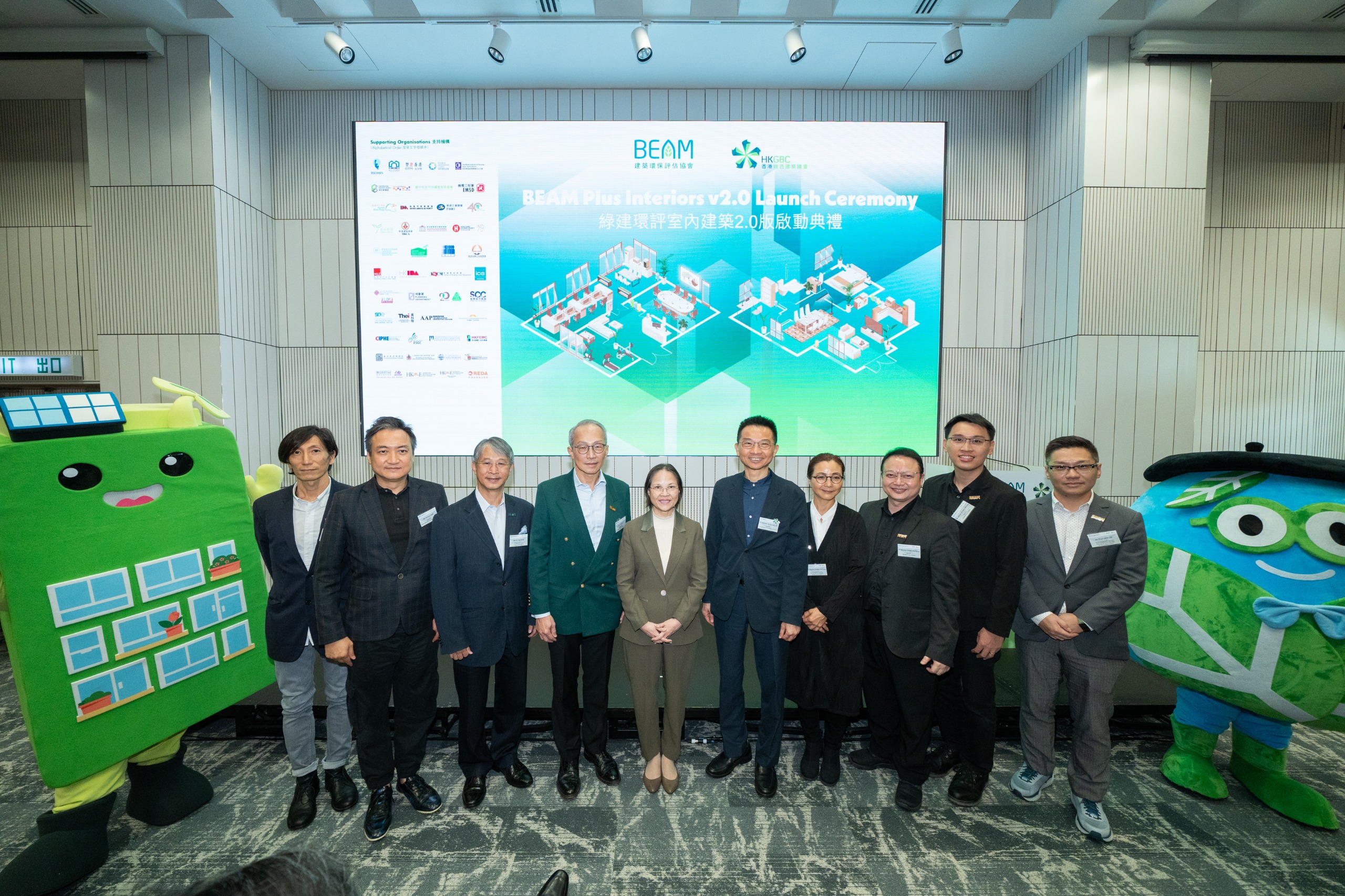
Among his many public service experiences, his work with BEAM Society Limited (BSL) stands out. Over the years, he has participated in the work of the BEAM Plus Major Revision Steering Committee and successfully contributed to the landmark reform of“BEAM Plus Interiors Version 2.0”. The significance of this reform lies in enabling BEAM Plus to align successfully with international standards, extending the key assessment categories of “Health and Wellbeing” and “Integrated Design and Construction Management” to residential spaces. It has transformed the assessment tool from a rigid technical framework into a meaningful bridge that deepened climate resilience while improving people’s quality of life and supporting healthier living.

He believes that BEAM Plus, after years of development, has become the core benchmark for green buildings in Hong Kong. As a key mid-generation architect in the industry, he is actively putting these standards into practice in real projects. Meanwhile, younger architects possess broad international perspectives and are well-versed in AI and digital technologies. They no longer regard this tool merely as a compliance checklist, but as a shared language that stimulates low-carbon innovation.


Leveraging Data Technology to Accelerate the Development of Smart Cities


As one of the world’s most advanced cities, Hong Kong naturally needs to develop further as a smart city. Adrian believes that the “iBEAM” and “iBEAM Unison” systems launched in recent years by BSL are well-suited to complement the Hong Kong Government’s policies promoting smart buildings and smart cities.

Launched in 2021, iBEAM is Hong Kong’s first cloud-based platform integrating green building data. It also represents a milestone in BSL’s transformation towards smart digitalisation. The platform has moved the previously complex green building certification process to the cloud, enabling a paperless workflow. Design teams and assessors can share data and track progress online in real time, significantly improving efficiency and reducing administrative costs.

It has completely broken down the data silos that previously existed between design, construction and post-construction management, making environmental performance visible and tangible, and laying a robust data foundation for the dual transition of Hong Kong’s construction industry towards digitalisation and low-carbon development. iBEAM is now the authoritative construction database not only in Hong Kong but also across the GBA.

However, data storage alone is not enough. The value of data must be fully realised. Therefore, BSL subsequently developed iBEAM Unison. As an extension of iBEAM, iBEAM Unison can effectively extract green building data from Building Information Modelling (BIM) and convert it into the data required for BEAM Plus assessment, thereby directly enhancing the application value of BIM.


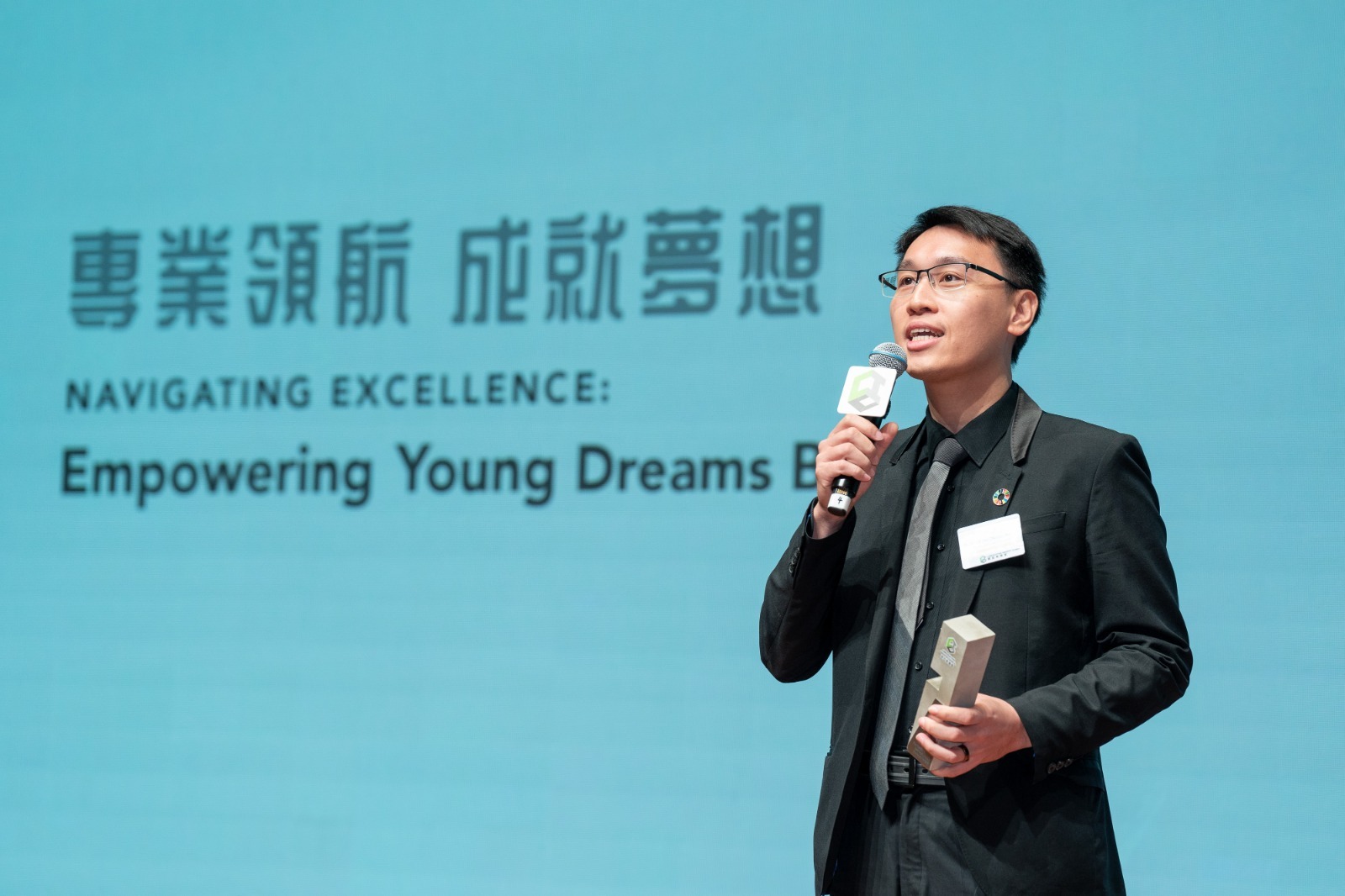
iBEAM and iBEAM Unison complement each other, together forming an end-to-end solution that covers data extraction, computation and authoritative certification. This combined solution is among the world’s leading solutions. In early 2026, Adrian, as a director, represented BSL at the "UAP TechnoCon 2026 Technology Forum" hosted by the United Architects Association of the Philippines (UAP), introducing BSL, BEAM Plus, iBEAM, and iBEAM Unison to peers from around the world.

The presentation attracted more than 300 international architects, technology experts and industry leaders from the Philippines, Singapore, Australia and elsewhere in the Asia-Pacific regions. It showcased Hong Kong’s independently developed innovation system on the international stage and directly facilitated further exchange and collaboration between BSL and green think tanks across the region.


Environmental Building Standards: Not Built from 0 to 1


Adrian recalls that his mentor, Professor Wong Kam-sing, former Secretary for the Environment of Hong Kong, once introduced the Verbena Heights project during a university lecture. The project is renowned for its environmental and green architectural features, with distinctive ventilation and sun-shading façade designs, and has received multiple architectural awards. Later, after Adrian entered the workforce, he deliberately moved into the estate to live there. As a resident, he gained profound first-hand experience and was able to personally appreciate the thoughtful design considerations embedded in the project.

"In fact, every generation of architects in Hong Kong has produced many ingenious designs, but in the past, there was no 'relatively objective standard' that everyone could refer to. For example, ventilation design varies from project to project, but in the past, it was difficult to conduct an objective assessment. Fortunately, the introduction of BEAM Plus filled this gap."

A building’s length, width and height can be measured, and the size of a space can be quantified. But how can environmental performance be assessed objectively? The United States has LEED certification, the United Kingdom has BREEAM, and Singapore has BCA Green Mark. Hong Kong likewise needs a system suited to its own local context. Given Hong Kong’s climate, unique culture and legal framework, overseas certification standards may not be directly applicable. Therefore, Hong Kong must have its own independently developed green building assessment system.

Hong Kong has always had many excellent environmental protection projects. Through this locally developed standard, both existing and new projects can better identify and improve upon their own shortcomings. 

Furthermore, the government has provided substantial policy support and encouragement in recent years, making the promotion and continuous updating of "BEAM Plus" even more important. BEAM Plus can be regarded as a key engine enabling Hong Kong to align with the national “dual carbon” strategy — achieving carbon peaking by 2030 and carbon neutrality by 2060 — as well as the HKSAR Government’s climate strategy, set out in Hong Kong’s Climate Action Plan 2050. It elevates sustainable development from simple architectural design to a strategic level encompassing urban construction, green finance, and even corporate ESG transformation.


Cultivating Environmental Awareness from a Young Age: The Next Generation Is More Competitive

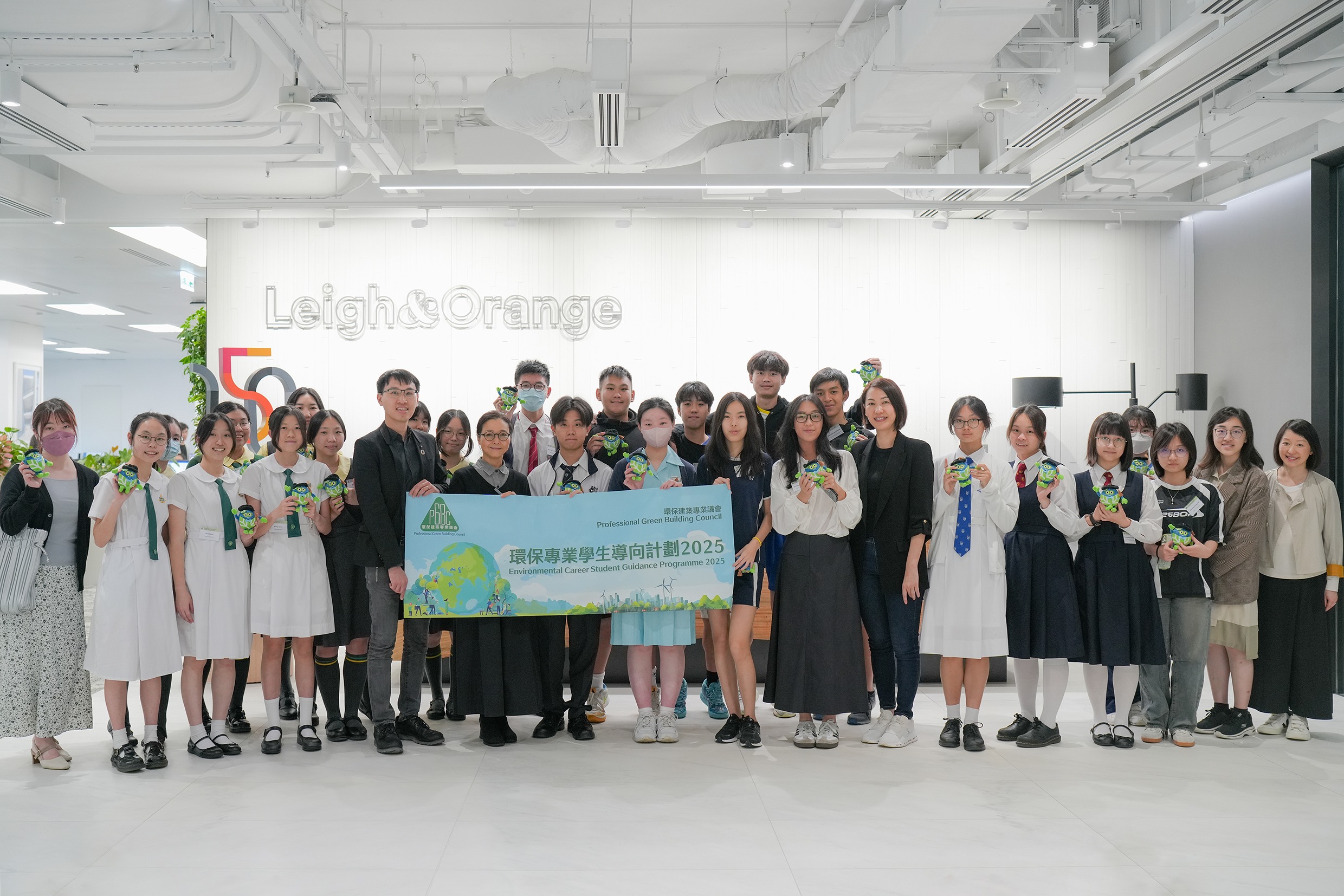
In addition to using his influence within the industry to promote green building, Adrian has also been committed in recent years to integrating sustainability and green thinking into youth education. He holds young people today in high regard, finding their achievements in green building innovation truly inspiring. Beyond the technical aspects, young people’s love of nature also reminds him of how he first became involved in green building.

Adrian has loved nature since childhood and enjoys hiking and diving in his spare time. In his view, nature is an integral part of life, and cities are also part of nature. ‘Humans live within nature too; we simply tend to call the places where we live “cities” and the places where animals live “the countryside”. Yet cities and the countryside, and cities and nature, are by no means in opposition to one another.’ The younger generation frequently conveys this philosophy in many of their competition entries.

 

They have already demonstrated the ability to integrate generative AI, Building Information Modelling (BIM), Internet of Things (IoT) technology and Modular Integrated Construction’ (MiC) flexibly into green design, proposing numerous low-carbon urban solutions that break the mould whilst combining forward-thinking concepts with practical feasibility. Adrian believes that today’s younger generation exhibits the technological acumen characteristic of digital natives, possessing a wealth of green innovation and a broad, strategic perspective.

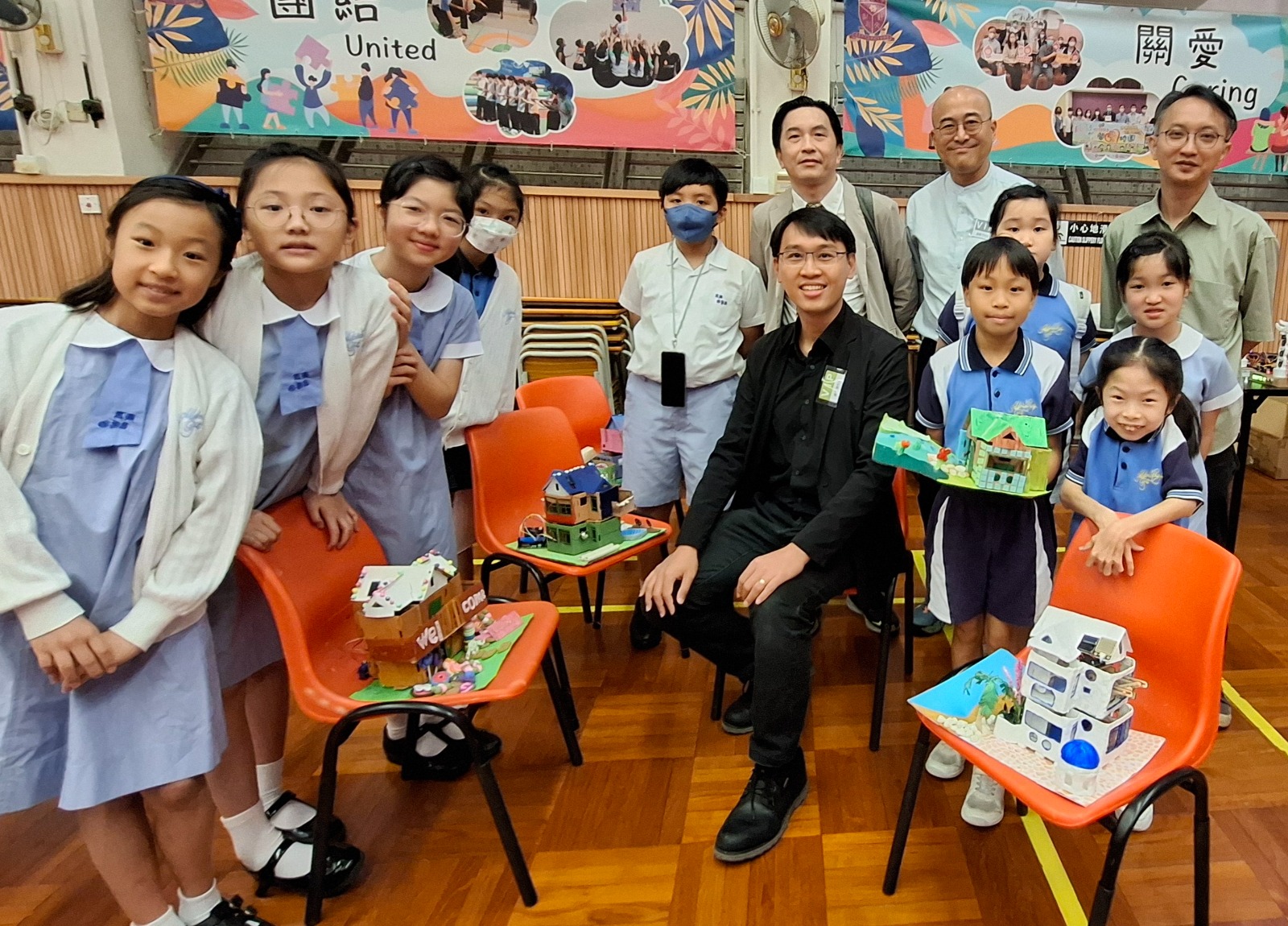
Inspired by these qualities, Adrian hopes to continue providing a platform for young people to showcase their work and investing resources in their development. He remains fully committed to nurturing green talent capable of competing on the international stage.


Ar Dr Adrian LO Yee Cheung

Nominated Director of BEAM Society Limited (2023 - Present)

  • Nominated Director of BSL – June 2023 to Present

  • Member of BI Major Revision Steering Committee – January 2021 to January 2024

  • Member of Financial Audit Committee – 29 October 2024 to 23 June 2026

  • Member of Education and Scholarship Committee – 1 January 2025 to 31 December 2026

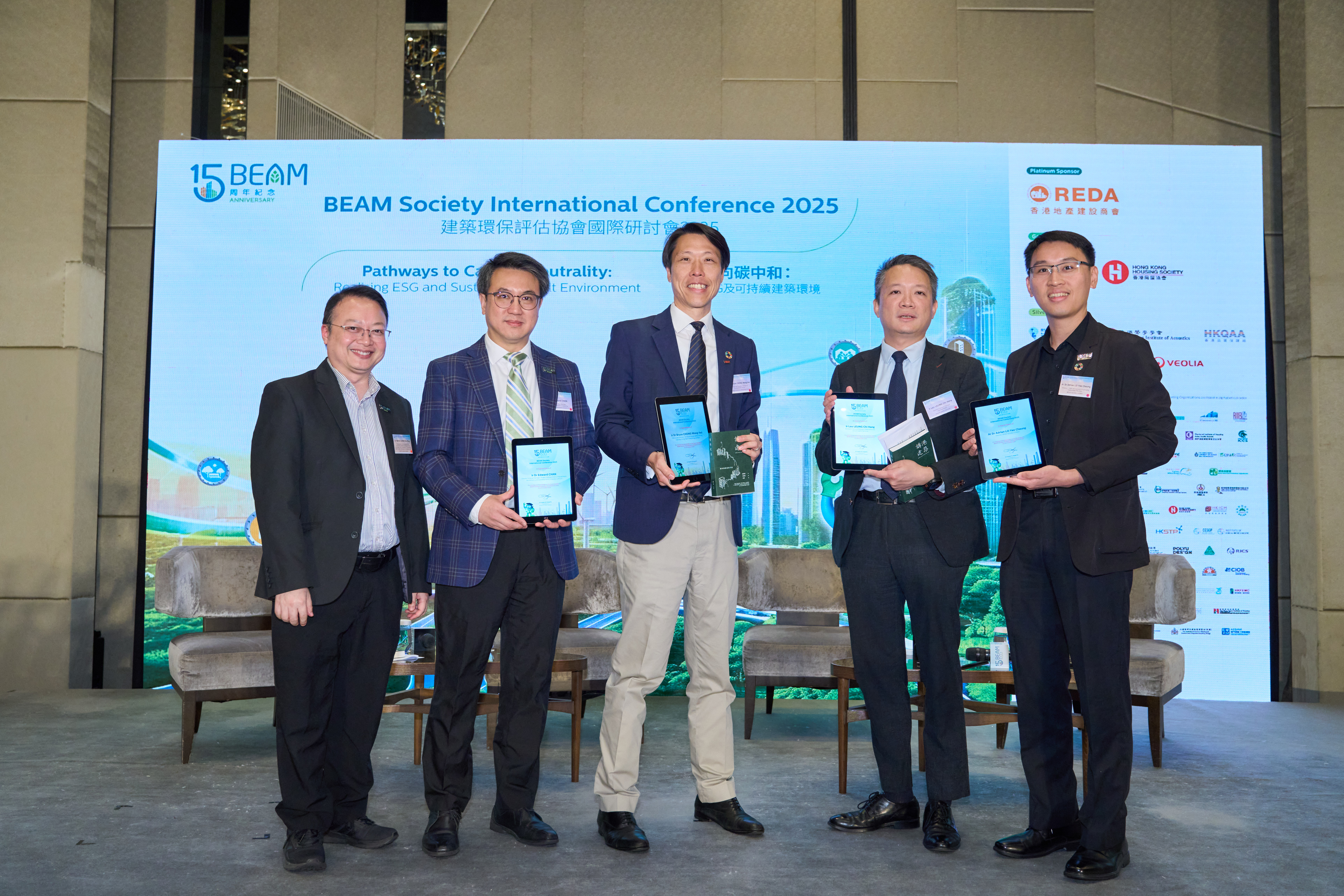
  • Member of 15th Anniversary Organising Committee – March to October 2025

  • Member of Environment, Social and Governance Committee – 30 July 2025 to 23 June 2026