BEAM Plus on Campus: Cultivating a Mindset of Sustainability
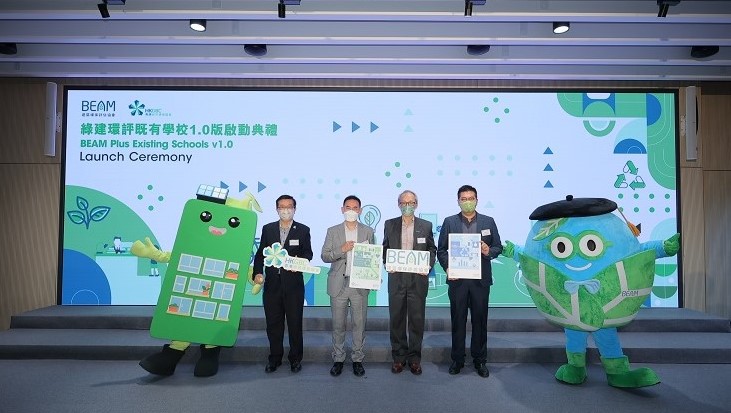
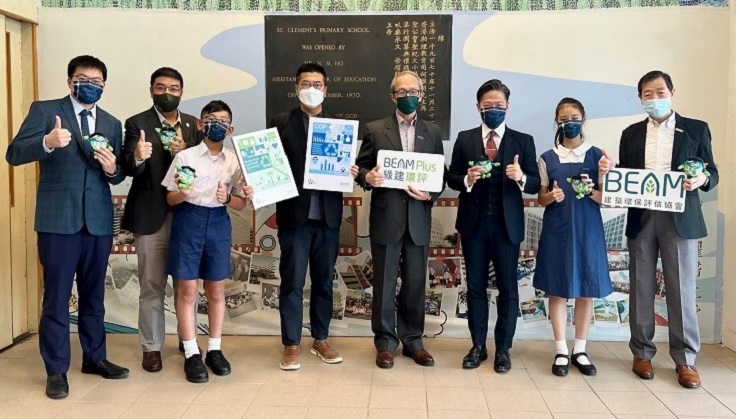
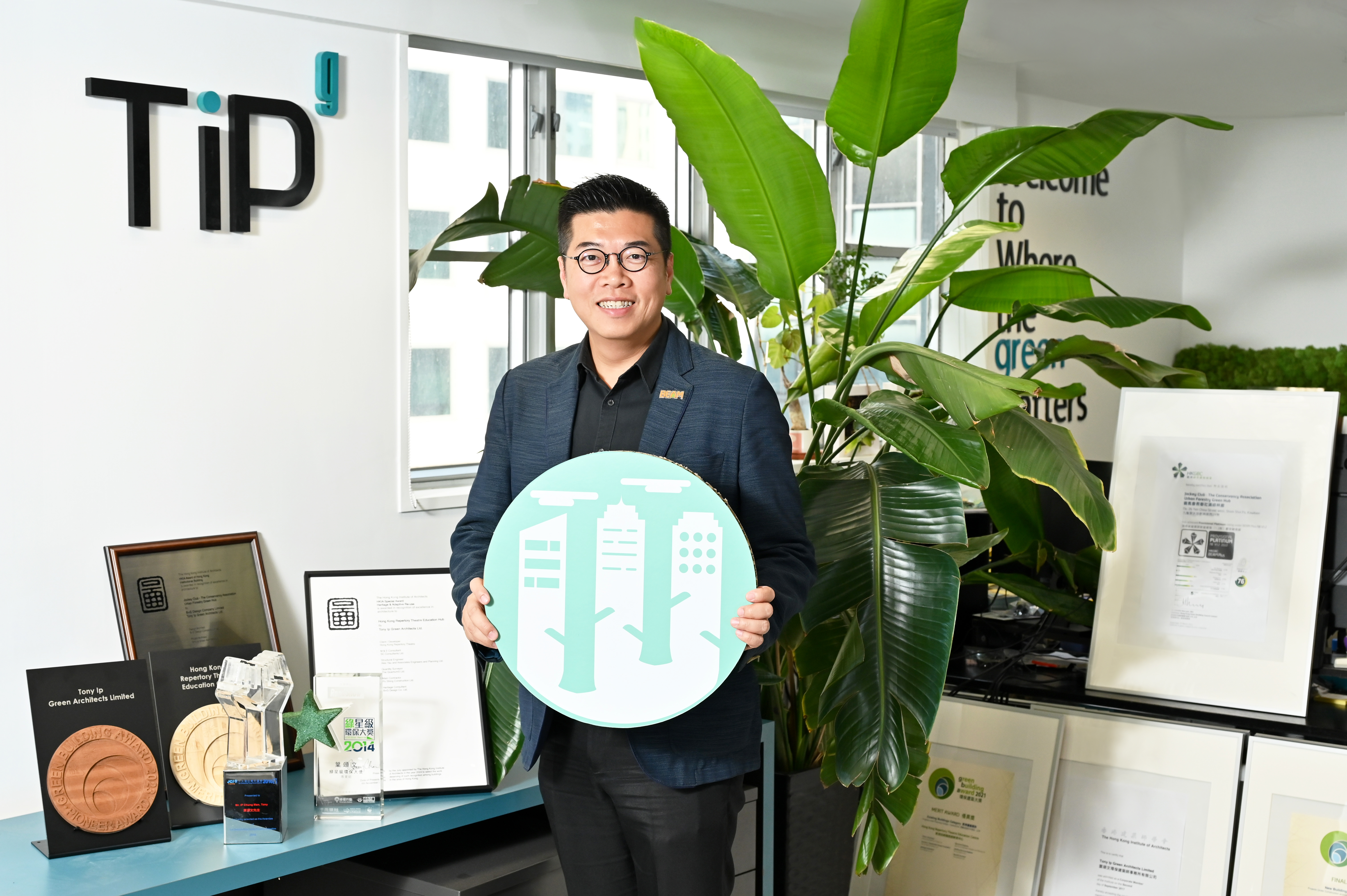
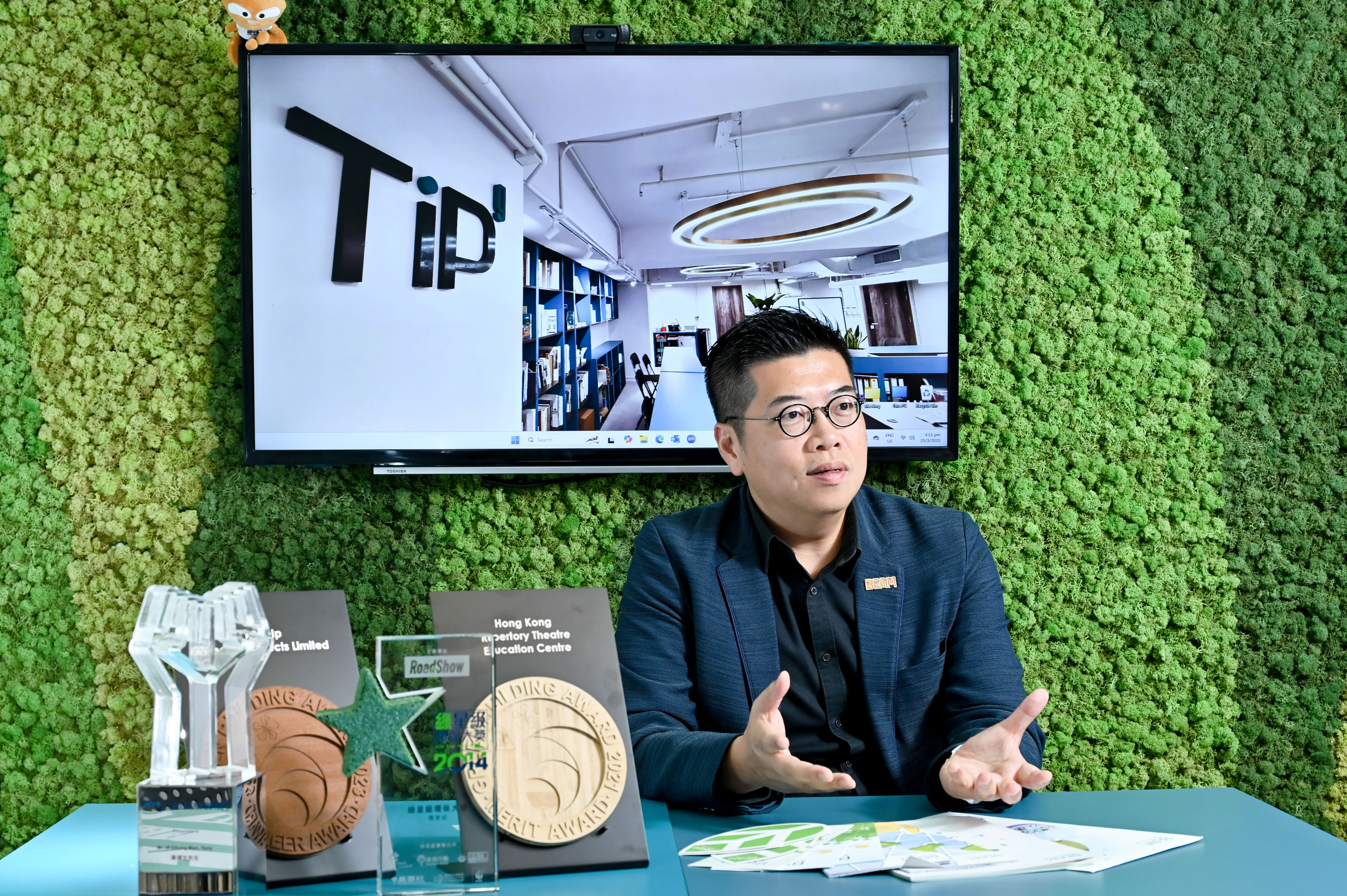
In addition to promoting sustainable concepts to clients and peers, Tony also emphasises the importance of cultivating environmental awareness among the younger generation. He serves as the convenor of the steering committee responsible for developing an assessment tool for existing primary and secondary schools. This effort led to the successful launch of BEAM Plus Existing Schools (ES) in 2022, with the support of a group of expert committee members. He described this tool is a new milestone, as this tool is designed specifically for teachers and students, making the outlined assessment criteria understandable even to outsiders without professional knowledge. It includes accessible guidelines that emphasises both stick and carrot, providing guidance on environmental activities and energy-saving measures tailored to schools’ daily operations.
To encourage broader participation, the project features a simplified rating system with only two levels: "Green" and "Green+", instead of the typical four-level rating in BEAM Plus standards. Additionally, a badge system awards schools for outstanding performance in specific categories, underscoring encouragement and participation. The tool is grounded in practical scenarios and takes into account the voices from the education sector to promote sustainable building concepts and BEAM Plus values within campuses and communities.
Finally, Tony encourages the younger generation, stating, "Regardless of your future career, whether in architecture or environmental fields, everyone needs to confront climate change, so we cannot afford to ignore environmental protection."


/Logo_BEAM/beam-society-logo/Beam-Society-logo_new/BEAMlogo_s_new/BSL-Logo_new.png?rev=f541ea91569b4e16986279c64041670d&hash=5892D284BF484210262F563E46071605)